
A Guide to the Cost of Failed Masking in Finishing Processes
A rack of discards sits in the middle of the room. Shelves of streaked parts, awaiting their disposal. “What happened”, we ask? “Oh, the plugs must have leaked as they were coated”, was the reply. We discuss whether rework is an option, but in the end, it is cheaper to just scrap them rather than strip and start over. “That is why we called you”, they sighed.
Masking can fail for several reasons:
- The mask is not correct for the process being used
- The mask is not sized properly
- The mask has reached its end of life
For this article we will focus on the third mode of failure – the plug or cap has outlived its usefulness.
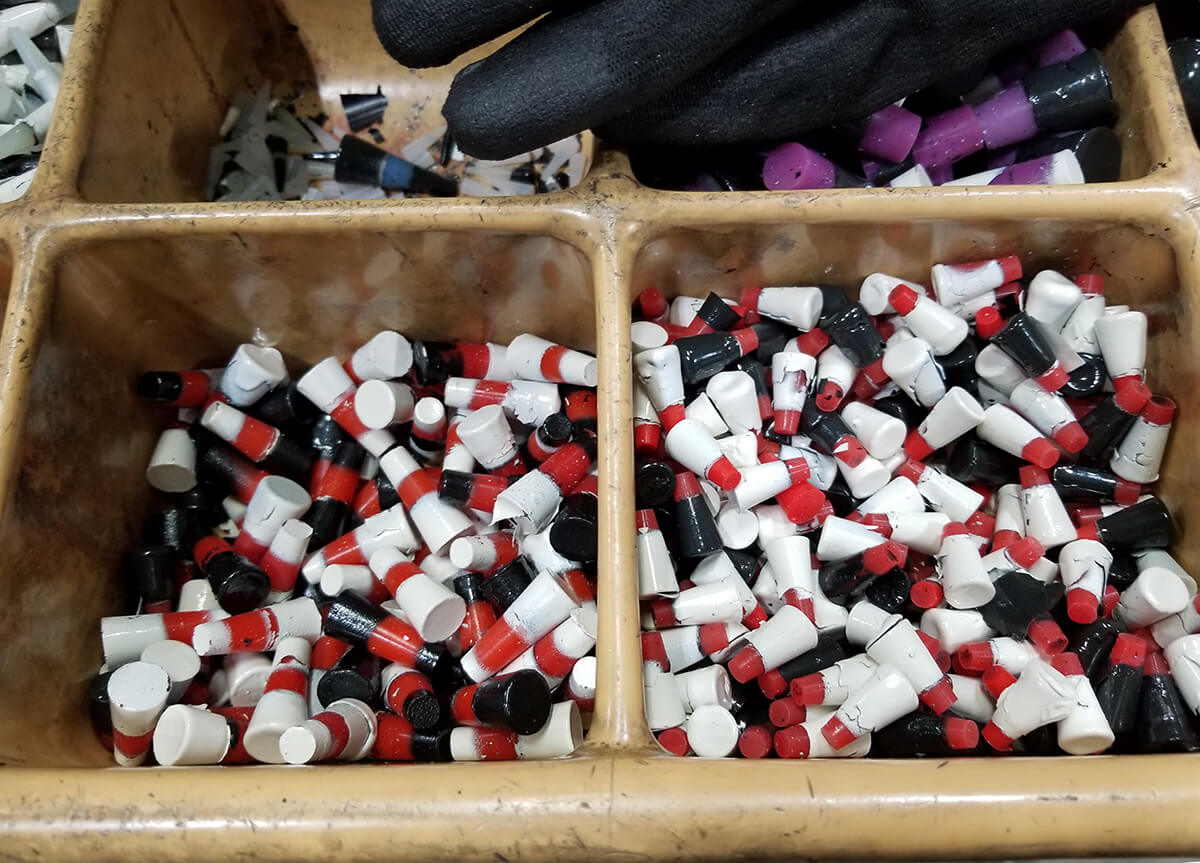
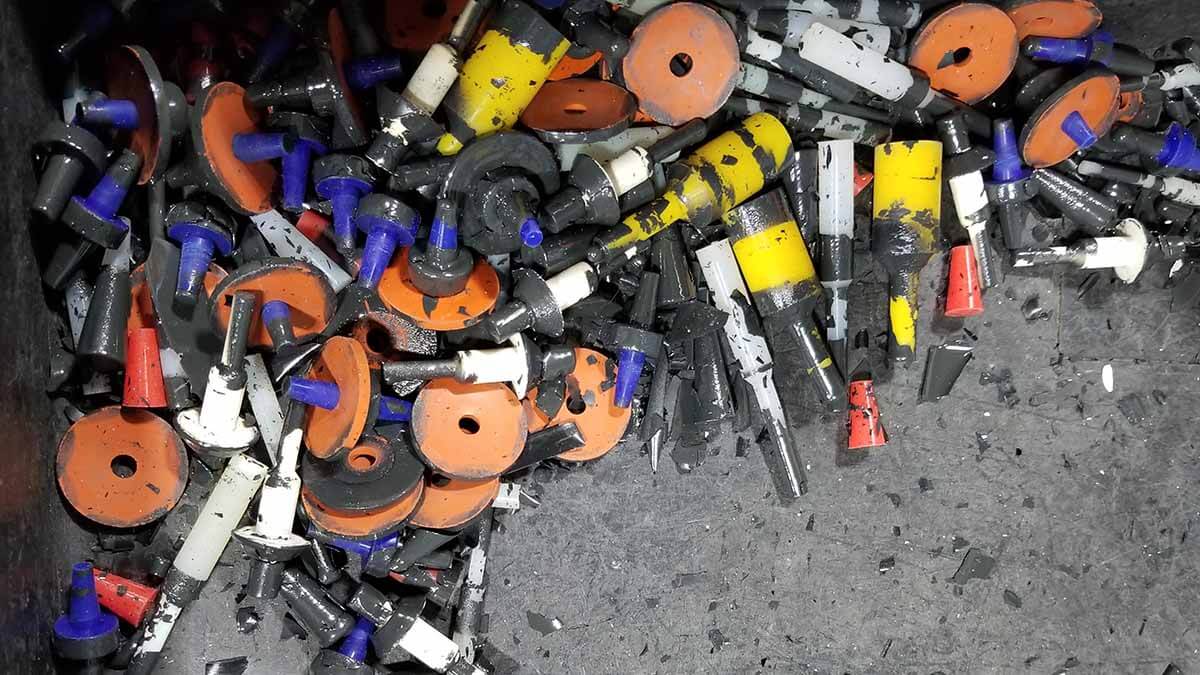
Walking through manufacturing plants and coating operations, we often see the same sight. Buckets, bins and shelves with full of used silicone and EPDM caps and plugs covered in coating, torn and deformed from overuse. While it is true that these plugs and caps are designed for reusability, they do have an end-of-life. When they are used past this point, issues can quickly mount.
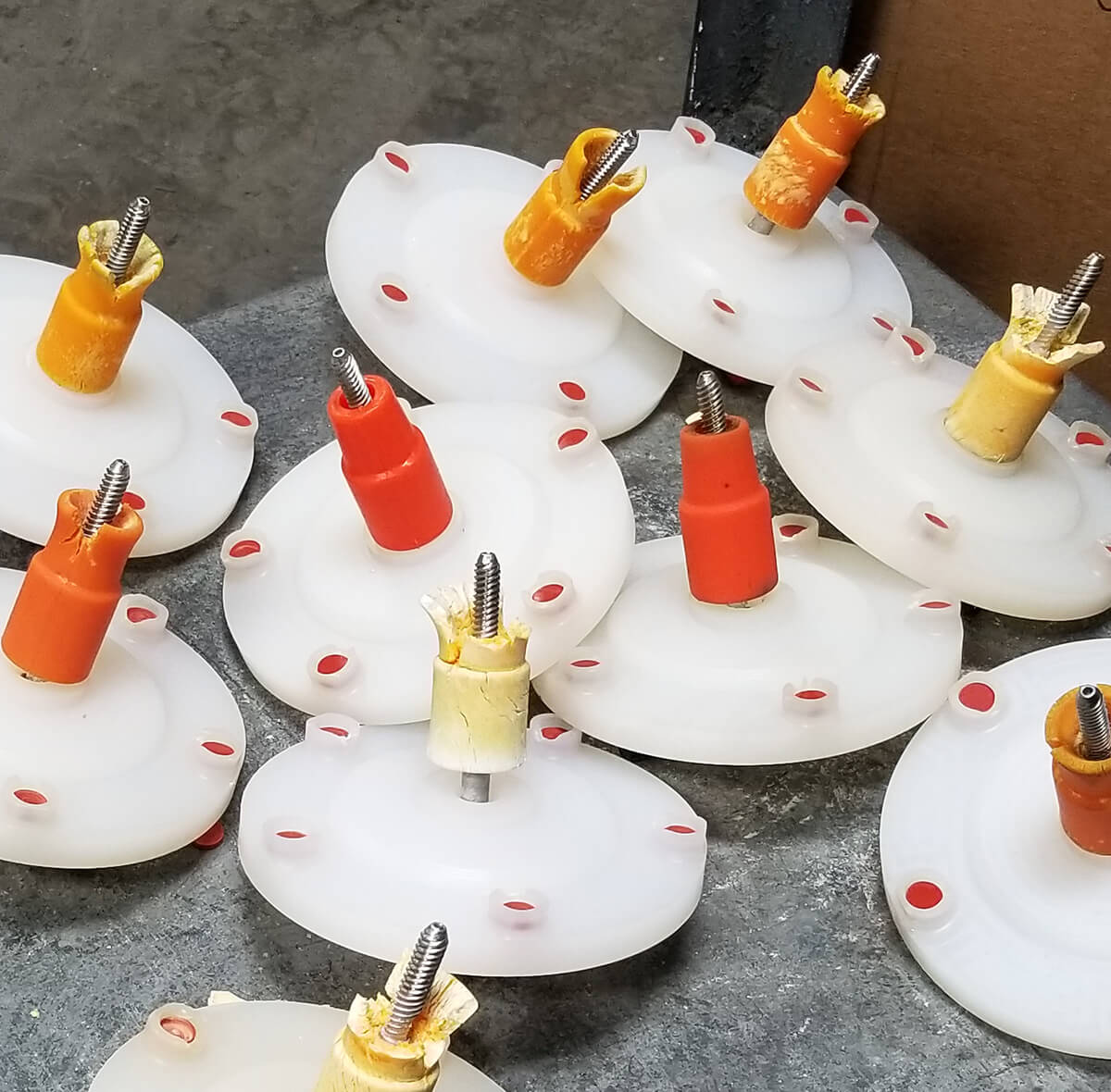
Although most coatings don’t adhere to silicone, over time repeated bake cycles will cause both silicone rubber and EPDM rubber to dry out. As this happens, caps and plugs become less pliable, crack, craze and build up coating with each new use. Once this happens, plugs will not seal properly, and caps will begin to tear and leak.
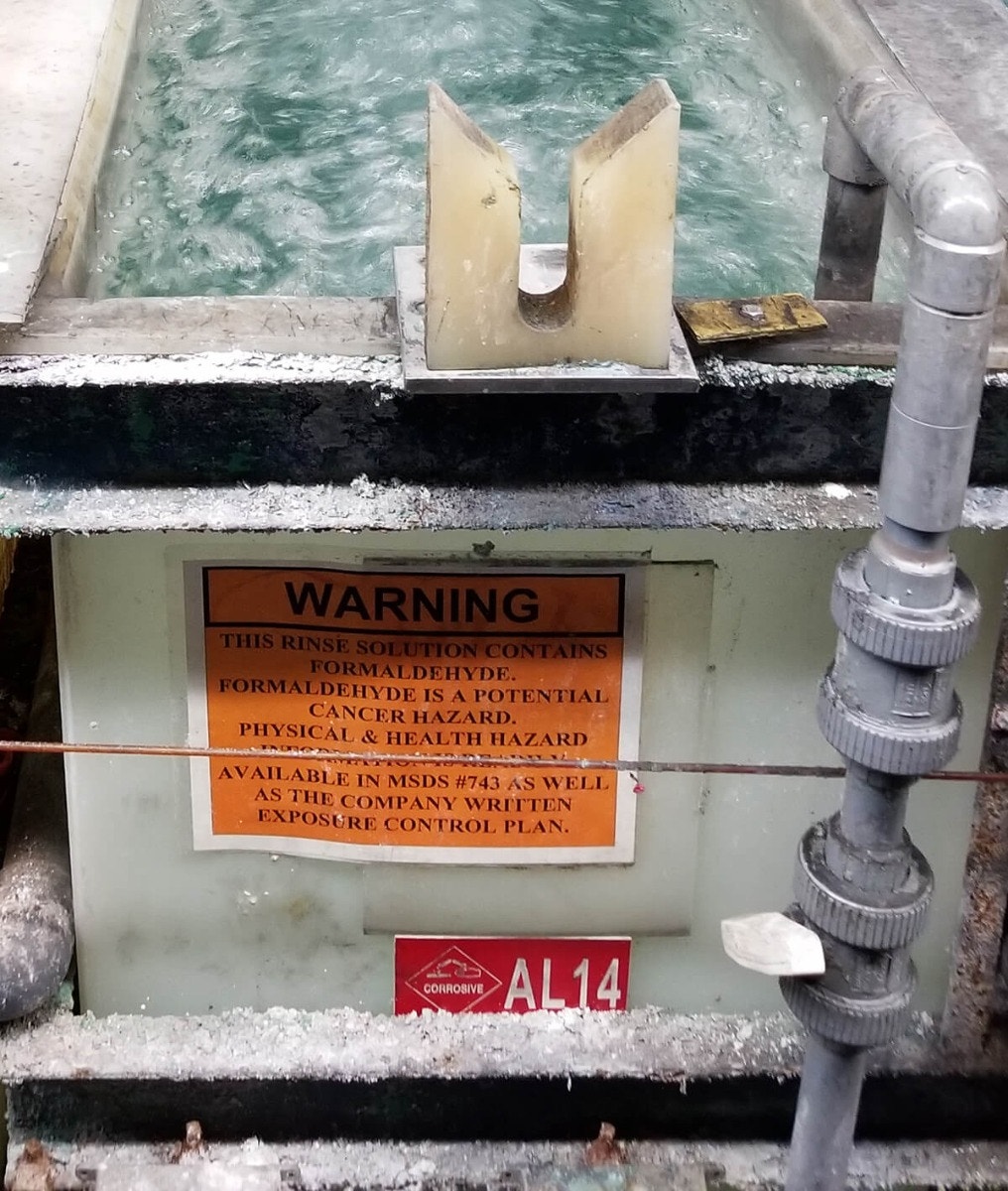
Some coatings, such as plating, involve the use of chemicals.
When these products reach their end of life, they need to be replaced. For high volume processes that require multiple plugs per piece or large custom masks, those in charge of the purse strings may want to push the limit for this lifespan. However, using the example at the beginning of this article – how many tapered plugs can a company purchase for the loss of one part? How many plugs add up to the cost of chasing coatings out of threaded holes?
Our team at CFS will gladly send free samples for testing and work with your process engineers or finishing departments to determine the best replacement schedule for your masking parts. It can be as easy as putting a procedure in place to replace masking on a set schedule – say the first production day of the month. In other cases, we can make recommendations to increase the number of cycles a custom mask can endure and suggest testing criterion.
At CFS our goal is to partner with you to ensure that rework and scrap due to masking failures are kept to a minimum. Contact us today to speak with one of our team members and learn how we can help you minimize your losses!